Agronomy, Without the Myths

Chloride in fertilisers: context matters more than content

Chloride problems in agriculture are often blamed on fertilisers. This article explains why organic fertilisers are rarely the real issue — and why water, mineral inputs and total chloride load matter far more
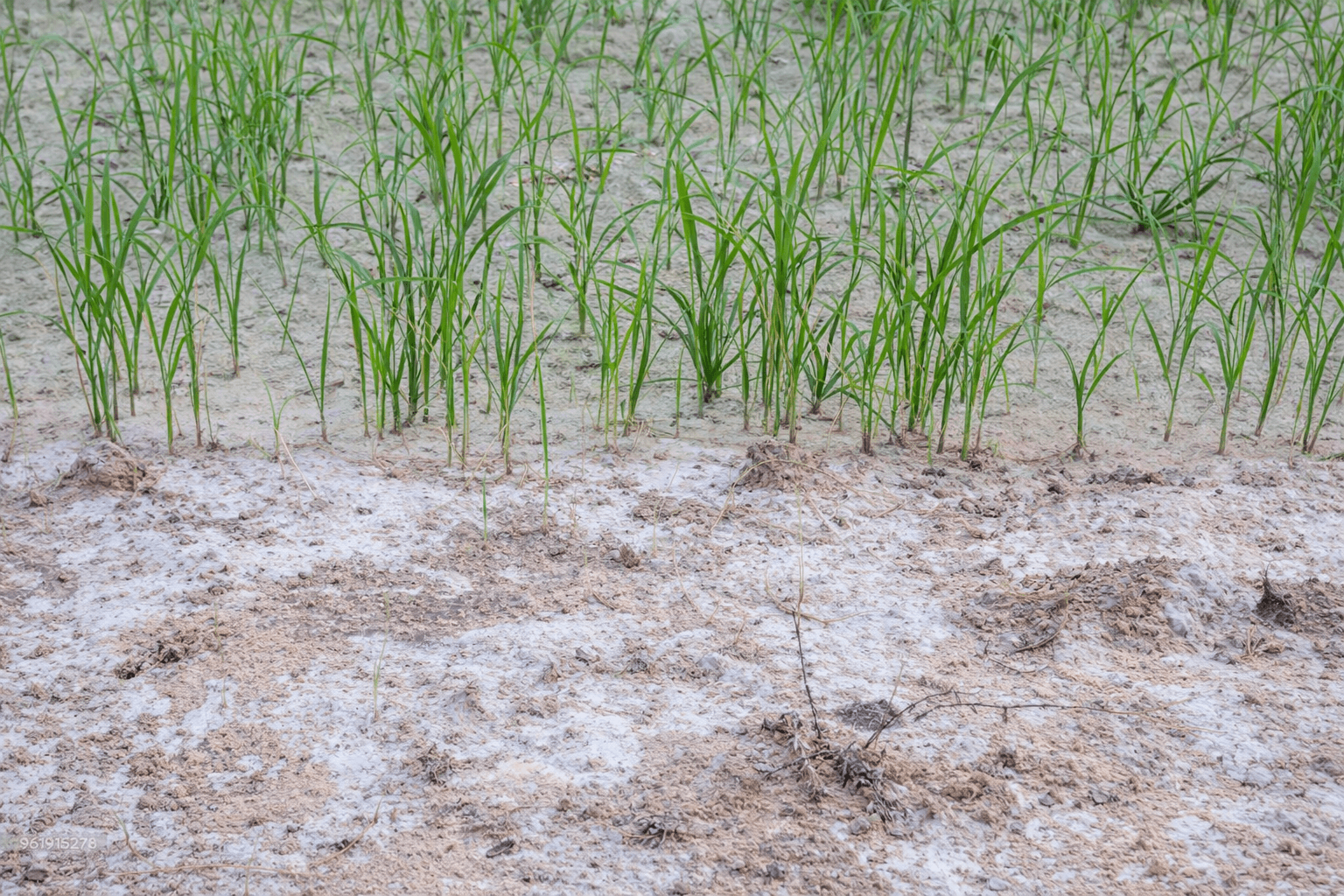
salt, saline soil, chloride satured, fucntion and risks of chloride

Chloride in organic fertilisers

Why it is rarely the real problem

Let’s start with something familiar.

Plants are a bit like people:
they need a small amount of salt to function properly.

Too little, and basic processes slow down.
Too much, and problems appear quickly.

So yes — chloride matters.
But the real issue is not its presence, it’s its accumulation.

That distinction is often lost.
This article explains why.

First things first: what is chloride?

Chloride (Cl⁻) is:

  • a negatively charged ion

  • fully water-soluble

  • hardly bound to soil particles

  • present mainly in soil water, not in the solid soil phase

From an agronomic perspective, chloride:

  • does not build soil structure

  • is rarely applied intentionally as a nutrient

  • behaves largely as a passenger, moving wherever water moves

Or more simply:

Plants don’t “see” fertilisers.
They respond to ion concentrations in the root zone.

This is fundamental to understanding chloride behaviour.
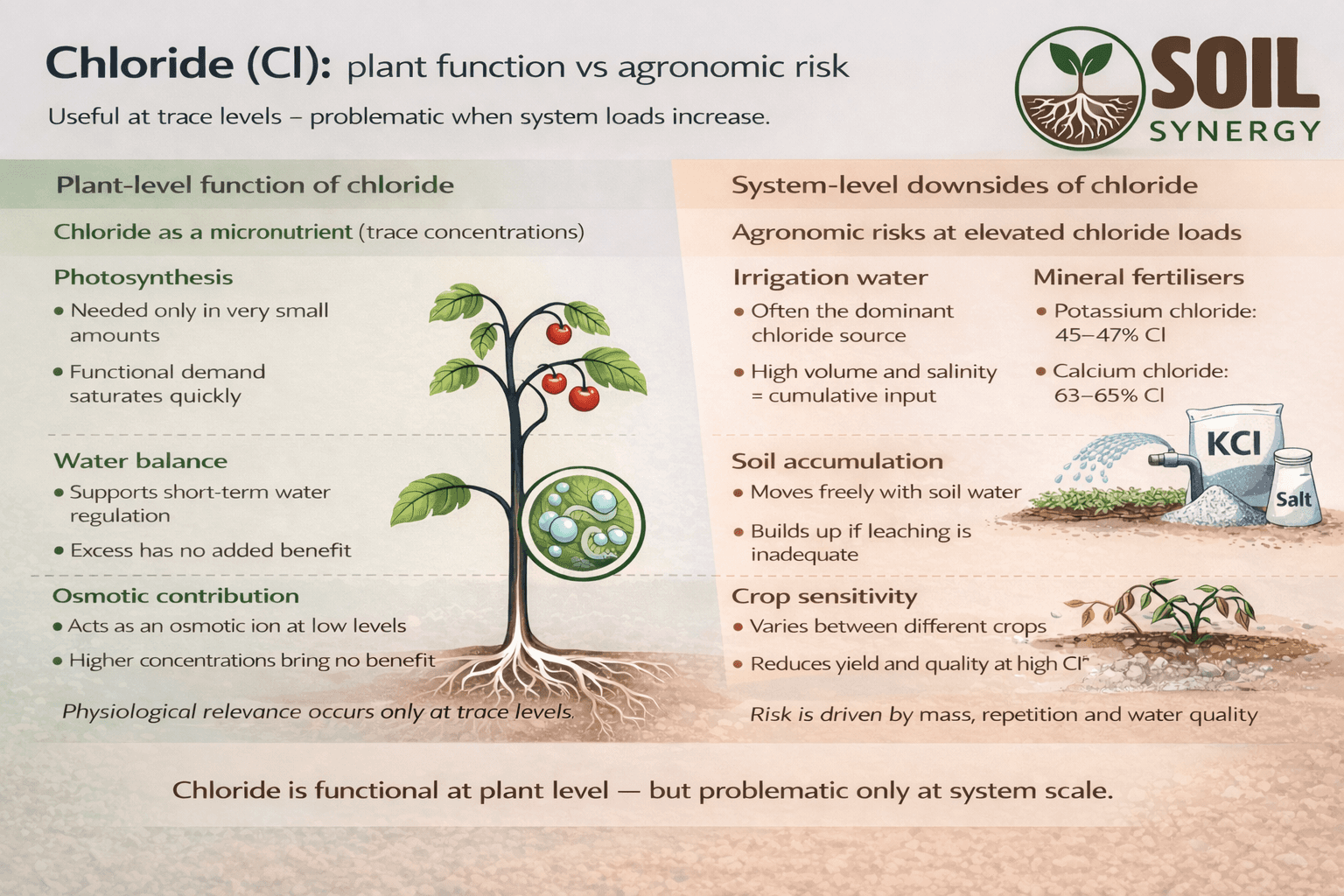

Chloride at plant level: useful, but only in traces

Chloride is officially classified as an essential micronutrient.

At very low concentrations, plants actively use chloride as part of their physiological machinery. Research shows that chloride contributes to:

  • normal photosynthetic functioning

  • osmotic regulation at cellular level

  • maintaining ionic balance alongside potassium and calcium

Chloride deficiency can occur, but under practical field conditions it is rare.
Where it does appear, reported symptoms include:

  • wilting despite sufficient water

  • chlorosis and reduced leaf expansion

  • excessive lateral root branching

These symptoms are often mistaken for nitrogen or potassium deficiencies, which makes correct diagnosis important.

The key point:

The physiological demand for chloride is extremely small and saturates quickly.

Beyond trace levels, additional chloride does not improve plant function.

When chloride becomes a problem

Most chloride-related issues are not biological, but systemic.

At elevated system loads, chloride can:

  • accumulate in the root zone

  • interfere with nitrate uptake

  • reduce yield and quality

  • cause leaf tip burn and marginal necrosis

Chloride toxicity is far more common than deficiency, especially in systems with saline irrigation water or repeated chloride inputs.

Crop sensitivity also matters:

  • Chloride-sensitive crops include beans, berries, grapes, potatoes and many greenhouse crops

  • More tolerant crops include barley, sugar beet and some forage grasses

Chloride management is therefore crop-specific, not ideological.

The real question you should ask

Not:

“Does my fertiliser contain chloride?”

But:

“How much chloride enters my system in total?”

This is where many discussions go wrong.

How much chloride comes from where?

Let’s look at order of magnitude, not labels.

Indicative chloride inputs in agriculture

Source

Chloride (Cl)

Comment

Organic fertiliser (poultry manure pellets)

0.2–0.7 %

Highly variable

Next-generation organic fertiliser

~0.75 %

Slightly higher, same order

Potassium chloride (KCl / MOP)

~45–47 %

Very high chloride input

Calcium chloride (CaCl₂)

~63–65 %

Extremely concentrated

Rainwater

<10 mg/L

Practically chloride-free

Fresh irrigation water

20–150 mg/L

Often underestimated

Brackish irrigation water

200–1,000+ mg/L

Where problems start


Putting this into perspective

The difference between:

  • 0.5 % chloride

  • and 0.75 % chloride

in an organic fertiliser is negligible compared to:

  • repeated use of KCl-based fertilisers

  • years of chloride-containing NPK applications

  • large volumes of irrigation water

Or put differently:

If your system already receives hundreds of kilograms of chloride per hectare per year from water or mineral fertilisers,
a few extra kilograms from organic fertiliser will not make or break the system.


Water: the silent chloride contributor

This factor is frequently underestimated.

A simple calculation:

  • 5,000 m³ irrigation water per hectare

  • × 200 mg chloride per litre (moderately brackish)

= 1,000 kg chloride per hectare per year

That is:

  • far more than organic fertilisers contribute

  • often more than fertilisers combined

Chloride is mobile, which means it can be leached — but only under the right conditions.

Leaching works when:

  • drainage is sufficient

  • irrigation water itself is low in chloride

Leaching saline soils with saline water
is not leaching — it’s redistribution.


“But organic fertilisers help desalination, right?”

Indirectly — yes.
But with clear limits.

Organic matter can:

  • improve soil structure

  • increase infiltration

  • enhance water movement through the soil profile

This improves the system’s capacity to flush salts out — if water quality allows it.

But:

Organic fertilisers do not remove chloride.
They only enable removal under the right conditions.

No clean water = no real desalination.

Practical chloride management: what actually helps

Effective chloride management focuses on system controls, not individual products:

  • Water quality first
    Irrigation water largely determines the chloride ceiling of a system.

  • Mineral fertiliser source selection
    Sulphate- or nitrate-based potassium sources matter far more than minor chloride differences in organic inputs.

  • Soil monitoring
    Chloride must be interpreted in relation to texture, drainage and irrigation history.

  • Organic matter as an enabler, not a solution
    Organic inputs improve structure and infiltration but do not neutralise chloride.


Why chloride in organic fertilisers is rarely decisive

Even if:

  • a next-generation organic fertiliser

  • contains slightly more chloride

  • than conventional poultry manure pellets

the reality remains:

  • absolute chloride input is small

  • application rates are limited

  • system impact is marginal

Chloride issues are driven by:

  • volume

  • repetition

  • water quality

Not by one organic product.


Conclusion

Chloride is everywhere.

The real question is not whether chloride is present,
but whether it accumulates to levels that harm soil and crops.

Focusing on the chloride content of a single fertiliser
while ignoring:

  • irrigation water

  • fertiliser history

  • total chloride load

means missing the real drivers.

Organic fertilisers can fit perfectly well into a sound system.
But the idea that “a bit of chloride in organic fertiliser” is decisive
simply doesn’t hold up.

Chloride itself is not the enemy.
Poor system design is.


Sources

  • FAO – Water Quality for Agriculture (Ayers & Westcot)

  • FAO – *Salt-affected soils and their management

  • Havlin et al. - Soil Fertility and Fertilizers: An Introduction to Nutrient Management

  • Ayers, R.S. & Westcot, D.W. (FAO) - Water Quality for Agriculture -FAO Irrigation and Drainage Paper 29

Chloride in organic fertilisers

Why it is rarely the real problem

Let’s start with something familiar.

Plants are a bit like people:
they need a small amount of salt to function properly.

Too little, and basic processes slow down.
Too much, and problems appear quickly.

So yes — chloride matters.
But the real issue is not its presence, it’s its accumulation.

That distinction is often lost.
This article explains why.

First things first: what is chloride?

Chloride (Cl⁻) is:

  • a negatively charged ion

  • fully water-soluble

  • hardly bound to soil particles

  • present mainly in soil water, not in the solid soil phase

From an agronomic perspective, chloride:

  • does not build soil structure

  • is rarely applied intentionally as a nutrient

  • behaves largely as a passenger, moving wherever water moves

Or more simply:

Plants don’t “see” fertilisers.
They respond to ion concentrations in the root zone.

This is fundamental to understanding chloride behaviour.


Chloride at plant level: useful, but only in traces

Chloride is officially classified as an essential micronutrient.

At very low concentrations, plants actively use chloride as part of their physiological machinery. Research shows that chloride contributes to:

  • normal photosynthetic functioning

  • osmotic regulation at cellular level

  • maintaining ionic balance alongside potassium and calcium

Chloride deficiency can occur, but under practical field conditions it is rare.
Where it does appear, reported symptoms include:

  • wilting despite sufficient water

  • chlorosis and reduced leaf expansion

  • excessive lateral root branching

These symptoms are often mistaken for nitrogen or potassium deficiencies, which makes correct diagnosis important.

The key point:

The physiological demand for chloride is extremely small and saturates quickly.

Beyond trace levels, additional chloride does not improve plant function.

When chloride becomes a problem

Most chloride-related issues are not biological, but systemic.

At elevated system loads, chloride can:

  • accumulate in the root zone

  • interfere with nitrate uptake

  • reduce yield and quality

  • cause leaf tip burn and marginal necrosis

Chloride toxicity is far more common than deficiency, especially in systems with saline irrigation water or repeated chloride inputs.

Crop sensitivity also matters:

  • Chloride-sensitive crops include beans, berries, grapes, potatoes and many greenhouse crops

  • More tolerant crops include barley, sugar beet and some forage grasses

Chloride management is therefore crop-specific, not ideological.

The real question you should ask

Not:

“Does my fertiliser contain chloride?”

But:

“How much chloride enters my system in total?”

This is where many discussions go wrong.

How much chloride comes from where?

Let’s look at order of magnitude, not labels.

Indicative chloride inputs in agriculture

Source

Chloride (Cl)

Comment

Organic fertiliser (poultry manure pellets)

0.2–0.7 %

Highly variable

Next-generation organic fertiliser

~0.75 %

Slightly higher, same order

Potassium chloride (KCl / MOP)

~45–47 %

Very high chloride input

Calcium chloride (CaCl₂)

~63–65 %

Extremely concentrated

Rainwater

<10 mg/L

Practically chloride-free

Fresh irrigation water

20–150 mg/L

Often underestimated

Brackish irrigation water

200–1,000+ mg/L

Where problems start


Putting this into perspective

The difference between:

  • 0.5 % chloride

  • and 0.75 % chloride

in an organic fertiliser is negligible compared to:

  • repeated use of KCl-based fertilisers

  • years of chloride-containing NPK applications

  • large volumes of irrigation water

Or put differently:

If your system already receives hundreds of kilograms of chloride per hectare per year from water or mineral fertilisers,
a few extra kilograms from organic fertiliser will not make or break the system.


Water: the silent chloride contributor

This factor is frequently underestimated.

A simple calculation:

  • 5,000 m³ irrigation water per hectare

  • × 200 mg chloride per litre (moderately brackish)

= 1,000 kg chloride per hectare per year

That is:

  • far more than organic fertilisers contribute

  • often more than fertilisers combined

Chloride is mobile, which means it can be leached — but only under the right conditions.

Leaching works when:

  • drainage is sufficient

  • irrigation water itself is low in chloride

Leaching saline soils with saline water
is not leaching — it’s redistribution.


“But organic fertilisers help desalination, right?”

Indirectly — yes.
But with clear limits.

Organic matter can:

  • improve soil structure

  • increase infiltration

  • enhance water movement through the soil profile

This improves the system’s capacity to flush salts out — if water quality allows it.

But:

Organic fertilisers do not remove chloride.
They only enable removal under the right conditions.

No clean water = no real desalination.

Practical chloride management: what actually helps

Effective chloride management focuses on system controls, not individual products:

  • Water quality first
    Irrigation water largely determines the chloride ceiling of a system.

  • Mineral fertiliser source selection
    Sulphate- or nitrate-based potassium sources matter far more than minor chloride differences in organic inputs.

  • Soil monitoring
    Chloride must be interpreted in relation to texture, drainage and irrigation history.

  • Organic matter as an enabler, not a solution
    Organic inputs improve structure and infiltration but do not neutralise chloride.


Why chloride in organic fertilisers is rarely decisive

Even if:

  • a next-generation organic fertiliser

  • contains slightly more chloride

  • than conventional poultry manure pellets

the reality remains:

  • absolute chloride input is small

  • application rates are limited

  • system impact is marginal

Chloride issues are driven by:

  • volume

  • repetition

  • water quality

Not by one organic product.


Conclusion

Chloride is everywhere.

The real question is not whether chloride is present,
but whether it accumulates to levels that harm soil and crops.

Focusing on the chloride content of a single fertiliser
while ignoring:

  • irrigation water

  • fertiliser history

  • total chloride load

means missing the real drivers.

Organic fertilisers can fit perfectly well into a sound system.
But the idea that “a bit of chloride in organic fertiliser” is decisive
simply doesn’t hold up.

Chloride itself is not the enemy.
Poor system design is.


Sources

  • FAO – Water Quality for Agriculture (Ayers & Westcot)

  • FAO – *Salt-affected soils and their management

  • Havlin et al. - Soil Fertility and Fertilizers: An Introduction to Nutrient Management

  • Ayers, R.S. & Westcot, D.W. (FAO) - Water Quality for Agriculture -FAO Irrigation and Drainage Paper 29
Field

Grow something great together.

Grow something great together.

Grow something great together.

Whether you're exploring a new product line or looking for a reliable long-term supplier -we supply high-value organic fertilizers with a unique value for money that help distributors stand out.
Icon
Honest
Icon
Long-Term
Icon
Functional